Why Responsive Design Still Rules Modern Web Development?
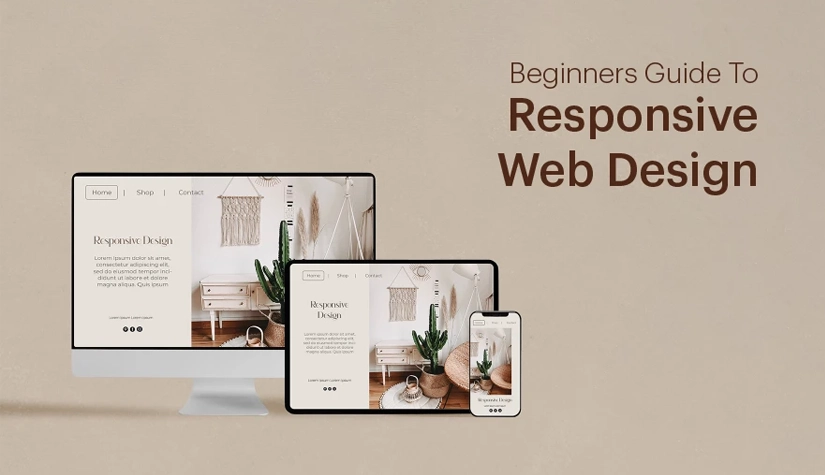
If we look at the increasing use of mobile phones instead of desktops for internet surfing, we will come to know that responsive design is still relevant today and provides the best user experience. A responsive design rules modern web development because it ensures good ranking for search engine optimization. SEO services boost sites that are user-friendly and more interactive. Another essential benefit of responsive design in web development is that it is adjustable on different devices without creating hurdles for the user experience.
Additionally, resizable images according to different sizes of screen sizes also play an important role in making responsive design the best option in web development. As compared to adaptive design, the responsive design takes less time in development and maintenance, and uses a single interface that adjusts flexibly according to different devices.
Responsive design is fluid, which means the layout adapts continuously without any trouble. On the other hand, the adaptive design uses prebuilt layouts, making it difficult to develop different layouts for different screen sizes. In this blog, we will try to understand why responsive design still rules modern web development.
Adaptive vs Responsive Design
Adaptive design used for web development is based on pre-defined layouts tailored for specific screen sizes experience which makes it a little difficult for the user to wait for the adjustment, and it takes more effort in the process of development. Responsive design for web development is often used today because of its dynamic features and easy-to-build qualities. Responsive design allows the user to have a trouble-free experience of the website without breaking its continuity. The following are the pros and cons of adaptive and responsive design for web development:
Pros and Cons of Adaptive Design
The pros of adaptive design include a faster loading experience because it loads pre-built and specific elements necessary for the website. An adaptive design is very helpful in providing a tailored experience for particular devices.
On the other hand, the cons of adaptive design are that it requires fixed frameworks only specific to their corresponding screens, which makes it very complex for both the developers and the users at the same time.
Pros and Cons of Responsive Design
The pros of responsive designs are that they provide a dynamic experience for the user and require developers to create only a single version of the website. Responsive design is excellent for different kinds of browsers and devices because it adapts continuously. Responsive design is also easy for developers to create.
The cons of responsive design are that it can sometimes have a longer loading time because the browser finds the code difficult to read.
If you are looking for mobile-friendly website development in your area, Firm Tech Service is the most reliable option.
How Responsive Design Impacts Rankings?
Responsive design plays an essential role in impacting the rankings of your website. What makes it so essential is the user-friendly interface it provides for the user. User experience is a central element in search engines like Google, specifically when the user is accessing them on their mobile phone. Google prioritizes mobile-friendly websites in the process of ranking websites. Responsive design for business websites is the most reliable option if you want to grow your business rapidly. The factors that make responsive design the best choice for the ranking of your website are as follows:
- Mobile-first approach of Google
- Decreased Bounce Rates
- Enhanced Loading Speed
- Better Engagement and Interactions
Responsive design also prevents the issue of duplicate content because it uses a single interface on all of your devices. If you are looking for a responsive website development company near you, choose FTS, because we have the best tips for responsiveness. performance, speed, and accessibility.
User Experience in Responsive Design
User experience in responsive design is necessary for achieving a website with a high ranking. What is the user experience? A user experience provides an experience free of any troubles for its user by providing a dynamic and continuous model. This approach is ideal because it contains easy navigation styles, easy-to-read text, and improved performance of your website.
Additionally, aesthetics also plays an important role in user experience by providing a beautiful contrast of each section and a consistent color theme to avoid irregularities. A tailored navigation bar that contains only usable options can help you achieve a high ranking and user satisfaction. If you are looking for modern responsive web frameworks for your website, we are the best option.
SEO Benefits for Mobile Responsive Designs
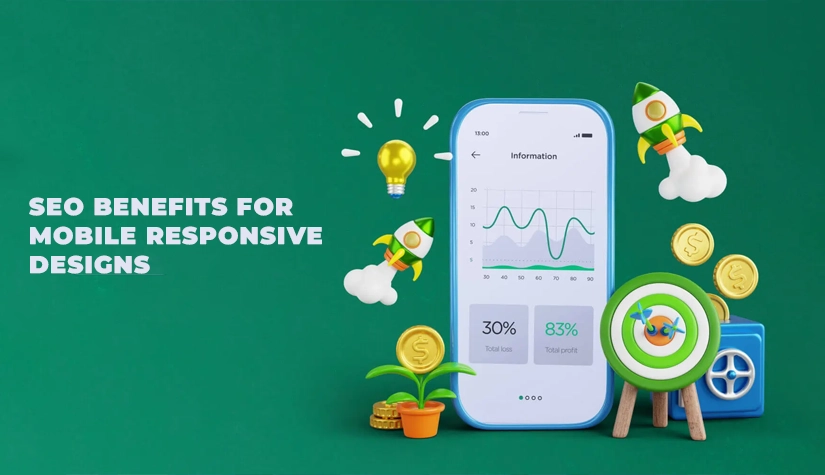
Mobile responsive designs are very useful for SEO because a responsive design aims at the user experience and its improvement, which leads to higher rankings and optimization of your website. It also makes your website easy to manage. Other advantages of mobile responsive design include the ability to use a single URL for both mobile and desktop, avoiding the trouble of mismatched data.
Mobile responsive design enables you to manage your website from one place and avoid errors. Responsive designs are also easy to share on social media platforms, which makes it very easy to get rankings and make your website quickly accessible for every user.
If you are looking for someone who can provide the best solution to your website responsiveness and SEO related problems, we are just a call away!
FAQs
How to choose between adaptive and responsive design?
The best way to choose between adaptive and responsive design is to look at the pros and cons of both. Adaptive design takes more effort to create and leads to a duplicate data problem, but it loads the prebuilt interface quickly.
On the other hand, responsive design is easy to develop because it contains a single interface, but it is sometimes complex for your browser to read and takes more time. We recommend responsive design because it is best for SEO.
What are Responsive UI and UX trends?
It is the process of creating an interface that helps the user easily interact with the website, and also makes the experience of shifting devices trouble-free, and builds navigation that is easy to use.
What is a mobile-friendly website? Why is it important?
Mobile mobile-friendly website provides the best user experience on mobile, and it is important because more people are using mobile phones to open websites.