
The Role of Voice Search & Semantic Search in Modern SEO Strategies
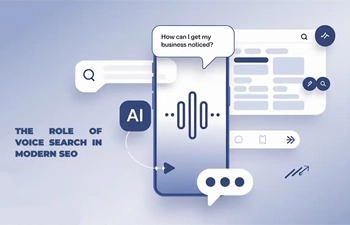
The way people look stuff up online? It’s not what it used to be. Remember when we all just jammed random keywords into Google and crossed our fingers? That’s ancient history. Now you’ve got voice assistants such as Siri, Alexa, and Google Assistant. The role of voice search & semantic search in modern SEO strategies basically eavesdrops on your life and waits for you to say.
And search engines are far more sophisticated now. They’re not just counting keywords anymore; they’re actually trying to figure out what you mean. If you’re still shoving clunky keywords into your website, you’re missing the point. These days, you have to sound like an actual person, and voice search optimization SEO always works in the best manner. Answer real questions, talk the way humans talk, and help Google get what you’re really all about.
So if you’re running a business, you’ve got to play along. That means ditching the keyword soup and focusing on real, conversational language. Sprinkle in some structured data. Pay attention to AI stuff for semantic search SEO strategies. Basically, meet people where they’re searching in their own words, in their own way.
Natural Language Processing in SEO
Natural language processing in SEO is essentially the technology that enables computers to understand human language. Think of it as the reason your phone doesn’t have a meltdown when you mumble, “Hey Siri. It’s not just about understanding words, but the vibe, the context, and all the in-between bits. When it comes to Google, they’ve introduced updates like BERT and MUM. BERT and MUM are brainy algorithms that don’t just match keywords.
How does voice search ranking factors 2025 work? Search engines aren’t just matching words anymore. They’re picking up on what you mean. You know those little answer boxes that pop up and make you feel like Google read your mind? That’s NLP hard at work. If your content is clear, structured, and answers questions fast, you’re more likely to snag one of those prime spots. Essentially, be helpful and avoid rambling. Write about the topic like a human, throw in related ideas, and you’ll do better. Google’s got street smarts now.
NLP can even determine whether your review sounds like you genuinely love something or if you’re being sarcastic. Positive, trustworthy content can give you an edge, maybe not a massive one, but hey, every little bit counts. If you want Google or any search engine to love your stuff, write like you talk. Use real questions, keep it casual, and don’t be afraid of those long, rambling search phrases people use on voice search. This is how to optimize for voice queries.

Structured Data for Semantic Search
Structured data for semantic search is just a fancy way of saying search engines are finally trying to get what you mean, instead of just matching your exact words. If you want Google to understand your content, you have to help it out. Enter: structured data. Think of structured data as the ultimate cheat code.
Why choose semantic seo? You know those shiny results with stars, prices, and images? That’s structured data working its magic. Your site looks cooler, so more people click. Label your people, products, recipes, and so on. Now you’re not just another blob of text. Want Alexa or Google Assistant to shout your info across someone’s kitchen? Structured data makes it way more likely you’ll be the chosen one.
With all the AI hype, structured data’s only getting more important. The robots are learning, but they still need you to spell it out. When it comes to semantic SEO vs keyword SEO, experts thoroughly evaluate the options and then choose the optimal SEO approach.
AI and Voice Search Optimization
AI’s basically running the show when it comes to voice search these days. Think about it: everything from Alexa yelling back the weather to those apps that magically turn your rambling into neat text messages. All fueled by AI and voice search optimization. It’s flipping the whole search game on its head, and if you’re doing SEO. Gotta switch things up, how you write, how you structure stuff, how you make it look. The works.
When it comes to conversational queries in SEO, they are always informed by search engines. Voice search and AI are like peanut butter and jelly now. If you want your content to win, it’s got to sound like a person, not a machine, which is clear, helpful, and a little bit chill. Otherwise, you’re just screaming into the void. You can choose mobile voice search SEO for better information.

Summed Up
SEO’s a wild ride right now; it’s not just about stuffing a bunch of keywords anymore. If you’re still cramming into every other line. The game’s changed, and the role of voice search & semantic search in modern SEO strategies is different. People are asking questions on their phones, and Google’s out here trying to actually understand what they mean, not just matching random words.
How do intent-based SEO strategies work? Voice search isn’t going anywhere. Write how people actually talk. If your content sounds like a robot, you’re missing the points. Semantic search best practices? Yeah, that’s the ticket now. Dive deep into the topic. Toss in related phrases. Don’t just skim the surface; show you know your stuff. NLP is Google’s new secret sauce. Give your content some context, don’t just make a bullet list of facts. Structured data helps you help Google. Basically, it’s like giving search engines a cheat sheet so they don’t screw up your information. AI tools? Use them. They’re not magic, but they’ll help you keep up when things get weird.
Stop obsessing over the algorithm. Focus on what real people want, how they talk, and what they actually find. Do that, and you’re not just climbing the rankings. You’re actually making something useful.



Related Posts


The Role of Voice Search in Modern SEO
30-Dec-25