

Boost Your Brand with Creative Logo and Graphic Design Tips
There is never a second chance to create a first impression. The brand logo makes the first impression on visitors and influences their opinion about the brand. With a unique, creative logo and appealing visual elements, brands are perceived as professional, authentic, and reliable.
What if your graphics don't resonate with your brand's tone? You are at risk of losing a chunk of customers that you could have otherwise grabbed with more captivating graphics.
In this guide, you will learn how logos and graphic design impact the brand's success and how to create creative graphic elements.
What is a Logo and Why It Matters
The logo is the face of your brand. It is a unique symbol, visual element, or design that represents an organization or a brand. When customers land on your site, they catch a first sight of the logo. A compelling logo design keeps customers on your site and encourages them to explore the feed. On the other hand, an irrelevant or less alluring logo design makes customers feel less trustworthy about the brand, and there are greater chances they will turn to your competitors.
In short, a unique and creative logo directly contributes to the success of a business and conversions.
Expert Tips for Creative Logo and Graphic Design
Creative graphic design is no longer complex when you have a clear goal in mind and you know what to create. We have mentioned some of the top tips from industry experts to create stunning graphic designs.
Let's explore them one by one.
Do a Complete Research
Research is the key to the success of graphic design. Do as much research as possible and write down the critical data. The must-to-do research areas are;
- Target audience research: figure out what your audience is interested in.
- Market Research: know what graphic designs trending in the market.
- Competitor Research: learn what your competitors are doing.
- Geographical research: discover what is popular in the target area.
After extensive research, create a design that resonates with the audience's preferences and delivers the brand's message. Customers must be able to understand your brand clearly after seeing your design.
Select the Colors Wisely
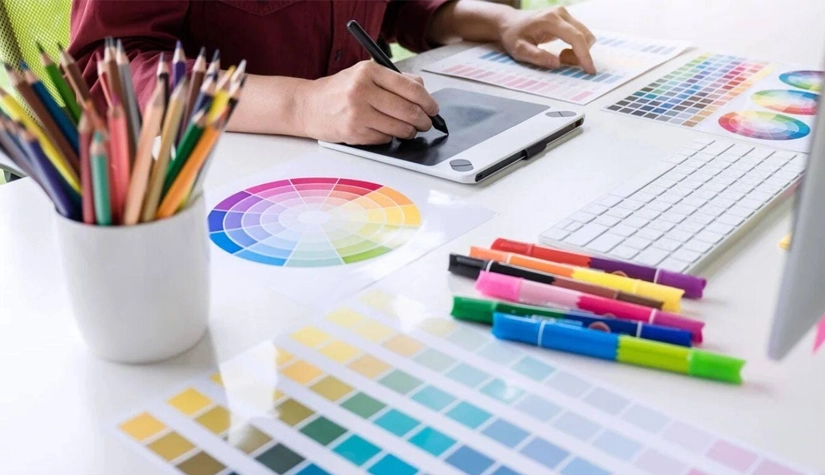
Colors have a significant impact on graphic designs. They trigger emotions and motivate the customers to take specific actions. Choose the particular set of colors that better represent your brand and make the customers feel, think, and act. You can also choose the blending of two or more colors for transition effects.
Keep in mind the niche and the products or services you offer. Make sure your visual elements align with the solutions you provide.
Keep It Simple
Create a simple yet meaningful design. Try to avoid too much text and too many colors, and make sure it doesn't look overstuffed. A simple, straightforward, and vibrant design has a greater impact on customers' actions.
Check your logo in both dark and light modes and on various devices with various screen dimensions to confirm it looks as intended.
Add a Cultural Touch
For brands serving a specific area, it is better to add a regional touch based on the interests of the target audience to elicit a stronger emotional response. Adding a specified location or cultural theme can better engage the customers with the brand.
Maintain Consistent Formatting
For posts, infographics, etc, maintain a clear and consistent formatting. Make sure all the textual information is easy to read and reinforced by visual elements. Add enough line spacing and letter spacing to ensure readability on various devices.
Use Empty Spaces Effectively
Empty spaces are a great way to create an effective design. They allow the design elements to speak louder to the viewers. Maintain a clean, consistent, and sophisticated appearance by wisely using the white spaces. You can also use elements and shapes to make your design look captivating.
Test, Improve, Update
Graphic design needs frequent updates at a specific time of the year. Especially with the seasonality, you can update the colors of your logos and graphics to better trigger the emotions. For any cultural event, national day, or ritual ceremony, improve your logo by changing the background theme, colors, and adding specific elements to better suit that time.
It is often recommended to test a set of designs and apply the one that grabs the attention of customers best. Also, keep updating the visual elements according to the evolving trends of the digital era.
Mistakes to Avoid in Creative Logo & Graphic Design
Designing a creative graphic element needs a careful selection of elements, colors, patterns, and layouts. A slight mistake can cause significant harm and lead to reduced brand credibility.

Let's uncover some of the top mistakes that must be avoided to create a stunning graphic element.
- Doing a quick research, skipping many potential areas.
- Using too many colors.
- Adding multiple symbols and elements lacks balance.
- Ignoring the quality of images.
- Using overcomplicated designs.
- Ignoring brand identity.
Avoiding the above and other related mistakes, you can create a successful, stunning graphic element aligning with your brand goals.
Conclusion
A logo is the primary visual element for a brand identity, along with other graphic designs. Creating a creative design requires thorough research, careful selection of colors and elements, and effective use of empty spaces. The simpler and more unique the design is, the more it speaks to the audience and provokes emotions. Also, it is better to test more than one logo and apply the one that performs better.
FAQs
How do I choose the right colors for my logo?
Research your target audience, the goals of the business, the products or services you offer, and the regional interests to select colors. You can also look at your competitors for a better idea.
What makes a design good?
A good design must be unique, simple, memorable, and align with the brand's vision. It should also be visually appealing and easy to understand.
How long does it take to design a logo?
It depends on the graphic designer's expertise and the complexity of the design. With modern tools, you can create a logo in a few hours.




 Matters in Web Design Image Size 348 x 222 pixels_4_11zon.webp)

